Author - webadmin

PE & Social Communication

Physical Education can be very powerful for students on the autism spectrum. PE is not just about exercise—it’s about helping students regulate their emotions, build confidence, and connect with others. Structured movement supports motor skills, balance, and sensory regulation while also improving focus in the classroom. Activities that teach turn-taking and following routines help students strengthen their social communication skills in...
Obsessive Behaviours

Repetitive & Obsessive Behaviour - Embracing the Interest to Support Students with Autism The National Autistic Society explains that repetitive behaviours and focused interests can provide comfort, predictability, and emotional stabilization for an autistic student. These behaviours often serve positive functions such as helping manage anxiety, creating structure, or initiating social connection, rather than being “problems” to fix. Parents and teachers...

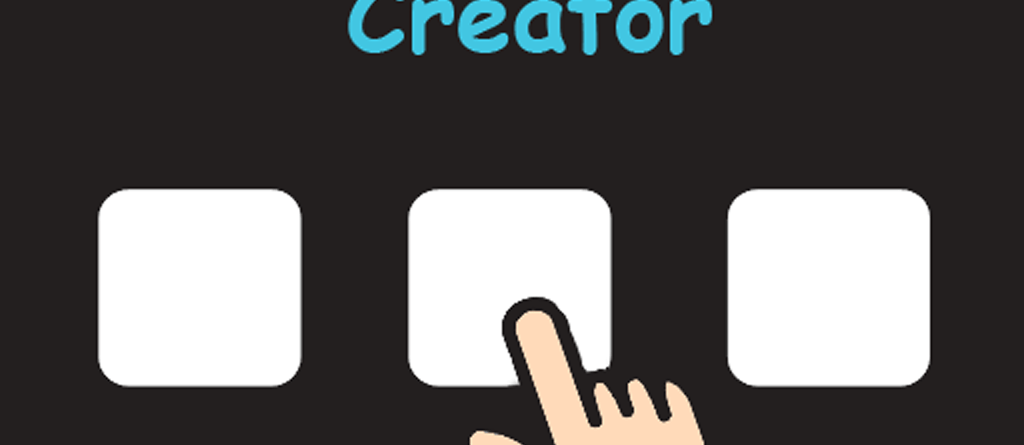
Learning Technologies – Choiceboard Creator

University of British Columbia Library related to autistic students and learning computer technologies. The article is speaking about a app on a iPad which teaches students choice-making for user interaction. The article “Using the Choiceboard Creator™ App on an iPad© to Teach Choice Making to a Student with Severe Disabilities” by Jennifer Stephenson, published in AAC: Augmentative and Alternative Communication (2016), presents a study on...

AI & Communication

Language & Communication Communication is the basis of every learning and is the outline for meaningful connections by which interactions are used. Students with Autism Spectrum Disorder (ASD) have difficulties not only with understanding language and expressing that language from their communication needs, thoughts and emotions; sometimes they have great challenges with expressing themselves, so it was interesting to learn that students...

Inclusivity & Collaboration

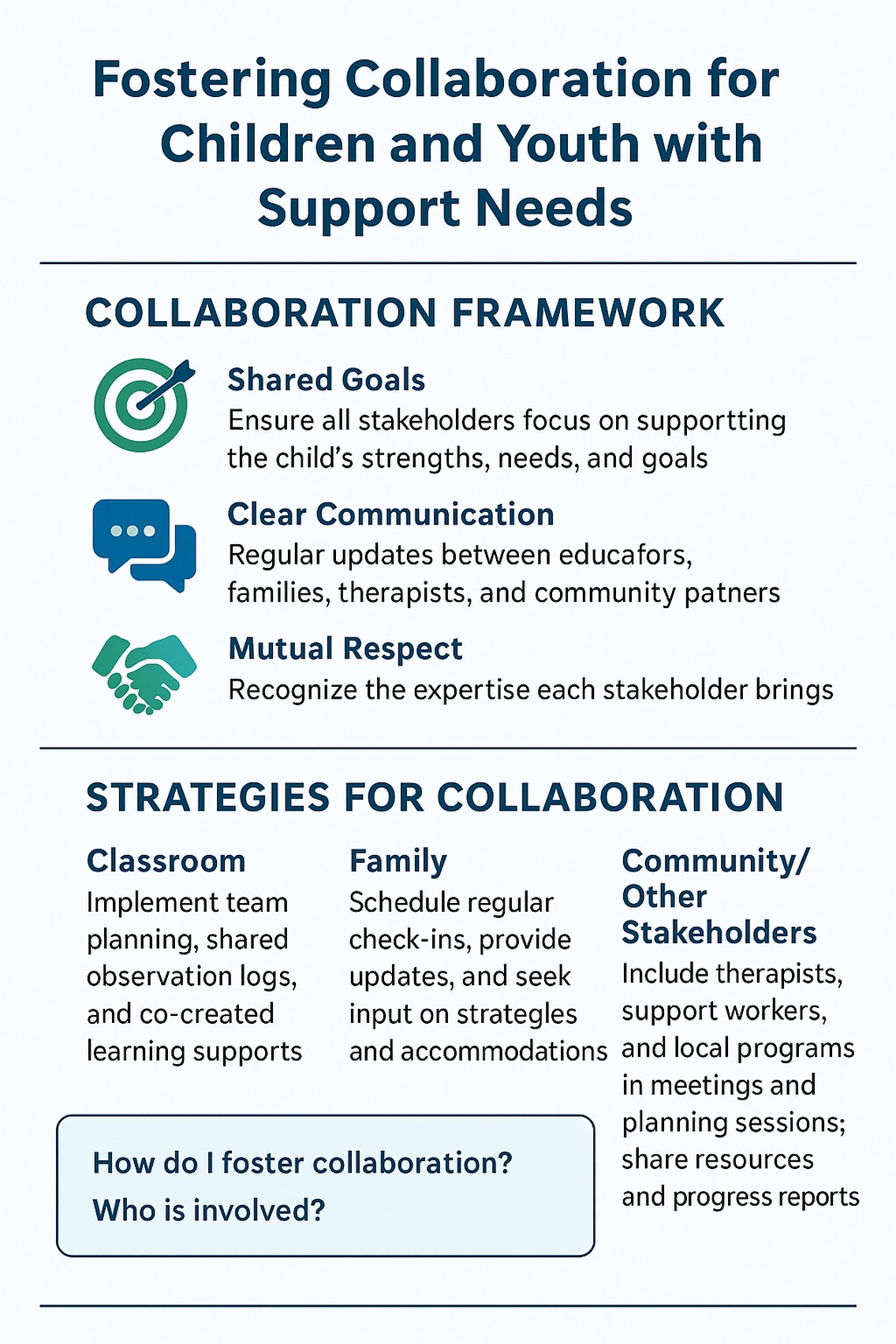
Fostering collaboration for children and youth with support needs requires a structured and respectful approach among all stakeholders involved. The collaboration framework emphasizes shared goals, where everyone—educators, families, therapists, and community partners—works together to support the child’s strengths, needs, and aspirations. Clear communication is essential, with regular updates and open dialogue, ensuring that everyone remains aligned and informed. Mutual...

You cannot copy content of this page

error: Content is protected !!